NH voters face record spending in Senate and governor races
In a county where polls open by 11 a.m., locals weigh a historic cost of election and a competitive open Senate seat.
By Bianca Herrera ·
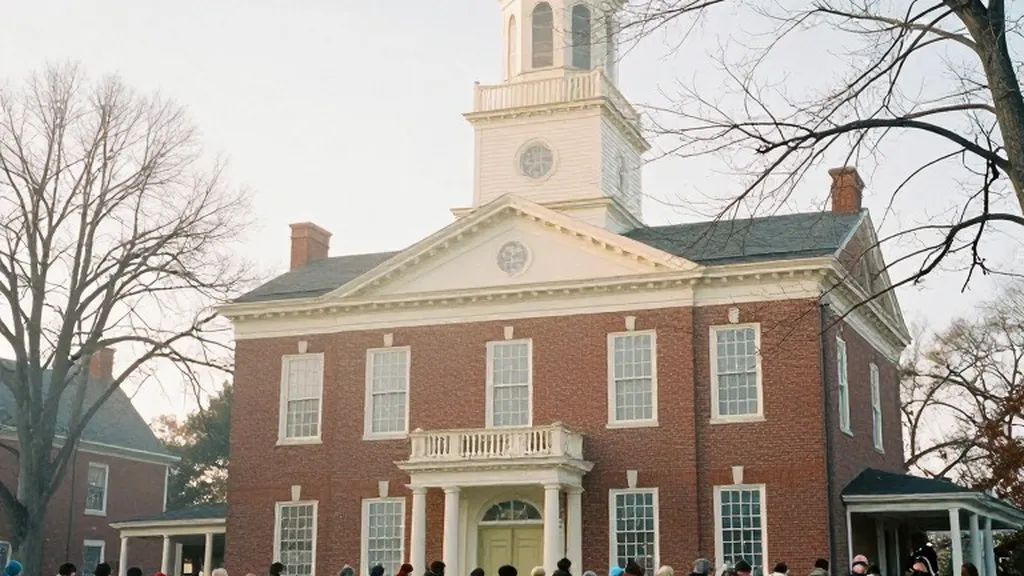
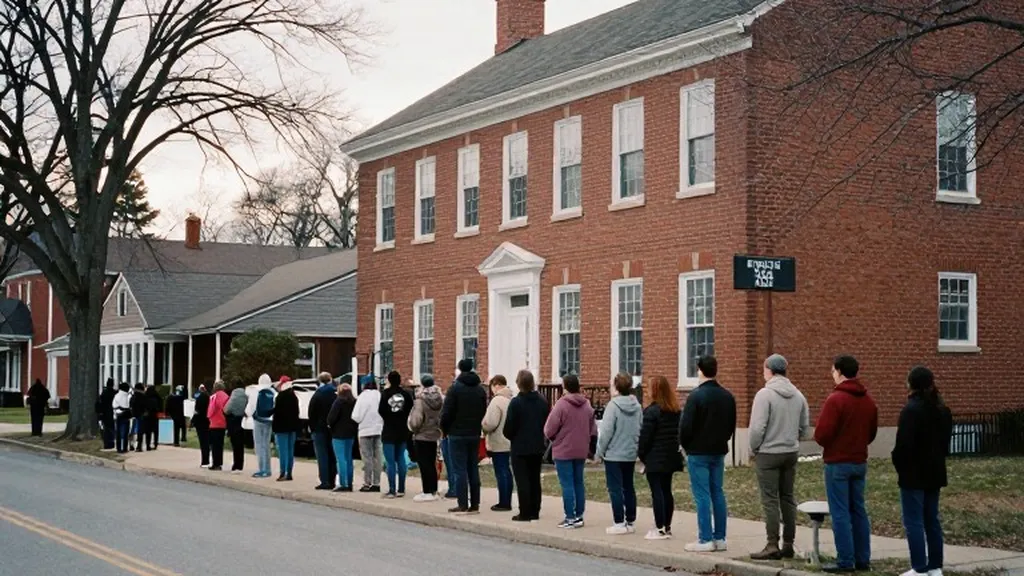
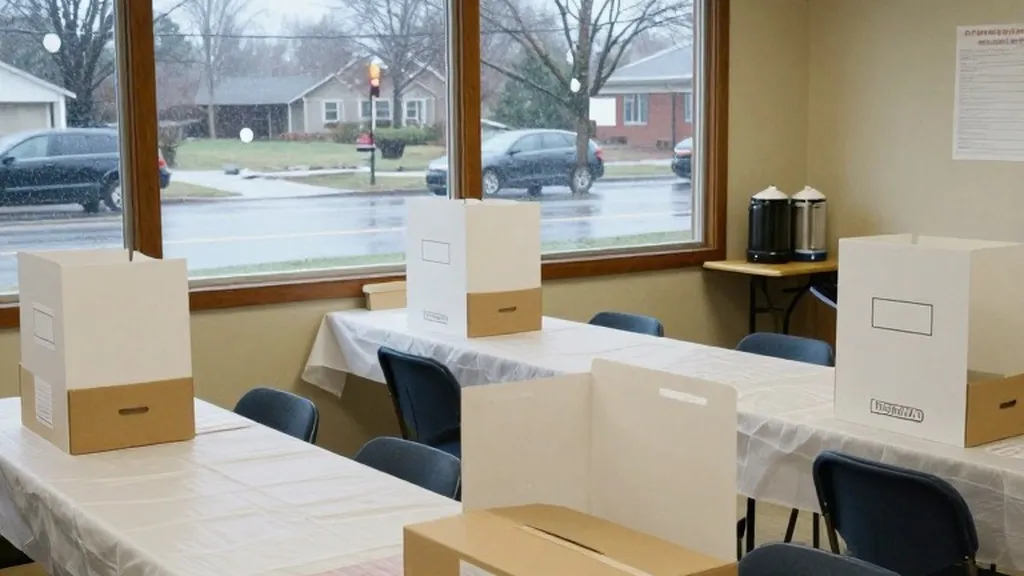
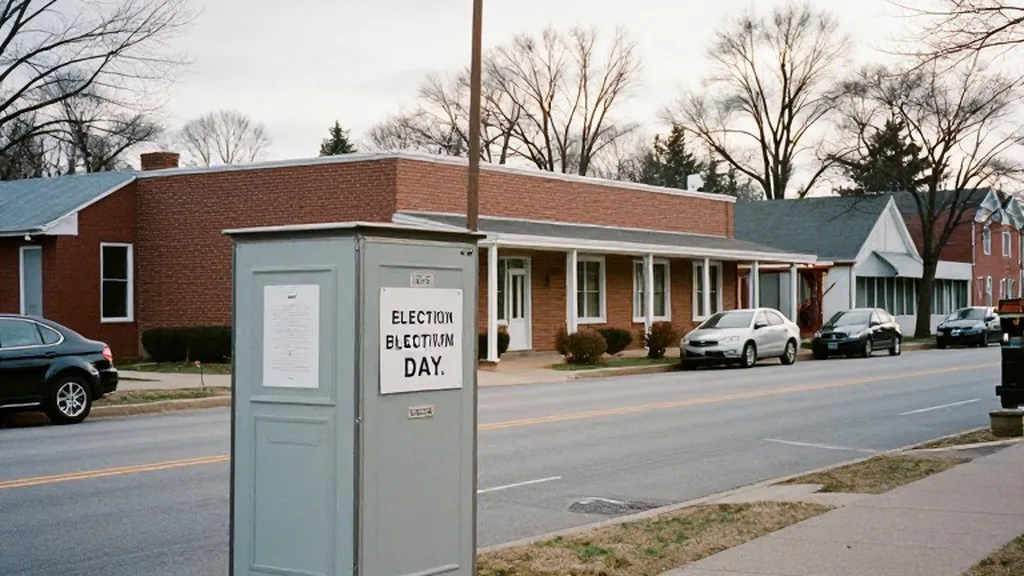
Voters in Merrimack County are heading to the polls on a Tuesday morning that marks the midpoint of President Donald Trump's second term. In Manchester, Nashua, and Concord, the local atmosphere is charged with the weight of a national contest that has become the most expensive in history. While the precise hours vary by town, state rules require polling places to open by 11 a.m. And close no earlier than 7 p.m. This timing allows residents to cast their ballots for a slate of offices that includes the governor, state legislature, and the open U.S. Senate seat.
The state's most prominent race is the open U.S. Senate contest, a byproduct of Senator Jeanne Shaheen's retirement. In a state that voted for Kamala Harris by a margin of 2.8 points in the 2024 presidential election, the race is widely viewed as a critical battleground. Democratic Representative Chris Pappas is challenging former Republican Senator John E. Sununu for the seat. The outcome of this race is pivotal because Democrats need a net gain of four Senate seats to secure a majority, a threshold that makes New Hampshire a high-priority target for both national parties.
Simultaneously, New Hampshire voters are deciding the fate of the governor's office, where incumbent Republican Kelly Ayotte is running for re-election. The AP notes that the state's competitive nature is driven by economic strain and tariffs, issues that resonate strongly with local businesses and residents in the region. The governor's race is part of a national trend where Democrats are hoping to hold a majority of governorships for the first time in two decades, a goal that requires them to perform well in states where Republicans have held the office since 2010.
Beyond the state lines, the money flowing into this election has reached unprecedented levels. According to an analysis of AdImpact data, the 2026 cycle is likely to be the most expensive in history. A striking statistic from the AP reveals that 88.1 percent of Republican general election TV ad spending was directed at states and districts that Trump won in 2024. In areas where he won by 10 points or more, that spending totaled more than $850 million, highlighting the intense financial effort to lock in Republican gains.
The financial dynamics of the election also show a distinct split between party committees and individual candidates. While Republican committees, aided significantly by Trump-affiliated groups and Elon Musk, outraised and outspent their Democratic counterparts at the committee level, the opposite was true for the candidates themselves. Democrats managed to outraise their Republican opponents at the candidate level, suggesting a different strategy for grassroots fundraising and local outreach in key districts like those in New Hampshire's first congressional district.
Locally, the election is being framed as a referendum on the president's performance. AP-NORC polling indicates that 35 percent of U.S. Adults approve of Trump's job performance, while 25 percent approve of his handling of the economy. About seven in 10 Americans say the country is heading in the wrong direction. For voters in towns like Manchester and Nashua, these national sentiments are often filtered through local concerns about the cost of living, a theme that has dominated the campaign trail.
The mood among party leaders reflects the uncertainty of the day. RNC Chairman Joe Gruters stated that everything depends on turnout, emphasizing that if Republicans turn out their voters, they win. In contrast, DCCC Chair Rep. Suzan DelBene argued that the American people are angry and want change. This tension is palpable in the state's major towns, where early voting and mail-in ballots have already surpassed the numbers from four years ago in many closely watched states.
Voters are also navigating a complex administrative landscape. A federal judge temporarily barred the Trump administration from carrying out a plan to prevent noncitizen voting, a move that critics said risks disenfranchising eligible voters. Additionally, the U.S. Postal Service has added hours and staff to ensure mail ballots are counted on time. These administrative shifts are part of a broader national effort to manage the logistics of a record-breaking turnout, with more than 57 million people having already voted as of Monday.
The national stakes are high, as the results will determine who controls Congress for the president's final two years. All 435 House seats are up, and Republicans hold a narrow lead. In the Senate, 35 seats are in play, including two special elections for the remaining terms of Marco Rubio and JD Vance. If Democrats win even one chamber, investigations and possible impeachment proceedings become likely, a prospect that could reshape the political landscape in New Hampshire and across the country.
As polls close in the evening, the focus will turn to the counting of votes in the state's various municipalities. The outcome of the New Hampshire Senate race, in particular, will be watched closely as a bellwether for the national trend. With the state's unique role in deciding presidential elections and its competitive 2026 ballot, the decisions made today in Manchester, Nashua, and Concord will have a significant impact on the balance of power in Washington for the next two years.
Voters in the region are also weighing the implications of the election on the federal budget and debt ceiling, topics that Reuters notes are of great interest to Wall Street. The results could add to investor concerns about AI spending and fiscal policy, issues that have the potential to affect the local economy in the Granite State. As the day draws to a close, the community will wait for the first signs of which direction the state is heading in this historic midterm.