New Hampshire voters decide oversight and economic direction
As polls open by 11 a.m. In Manchester and Nashua, the outcome will shape the balance of power in Washington for the final two years of the Trump administration.
By Austin Reed ·
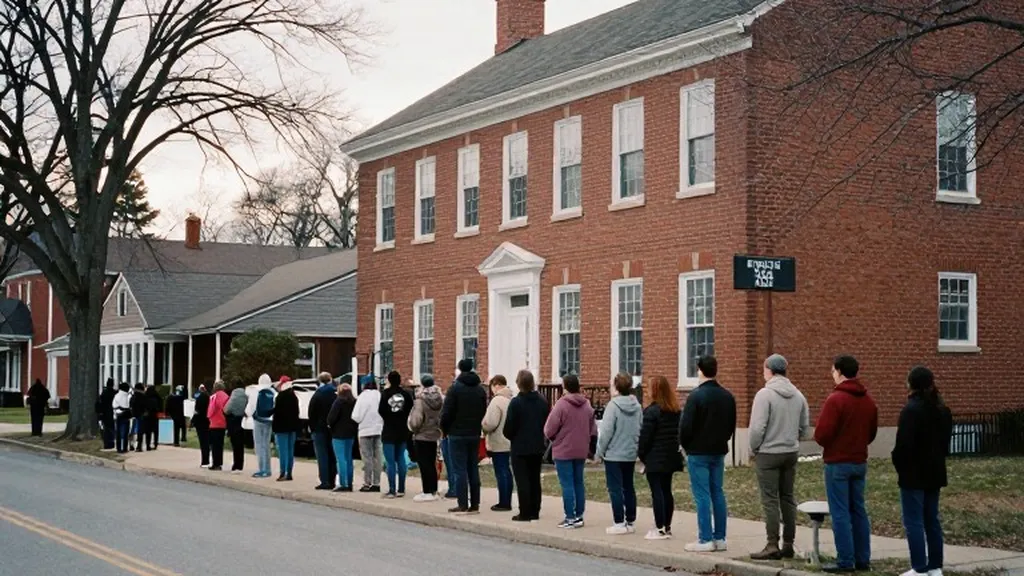
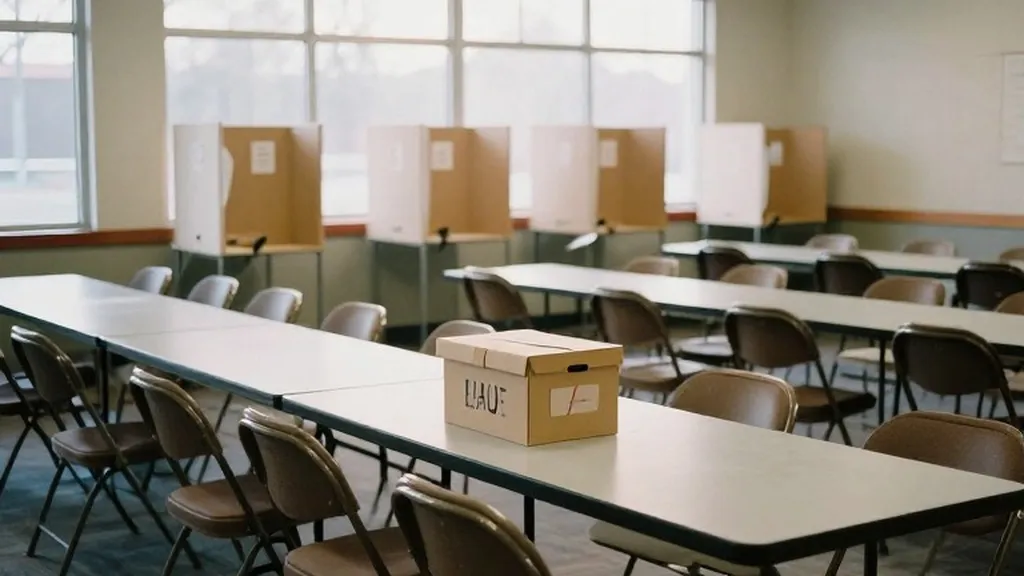
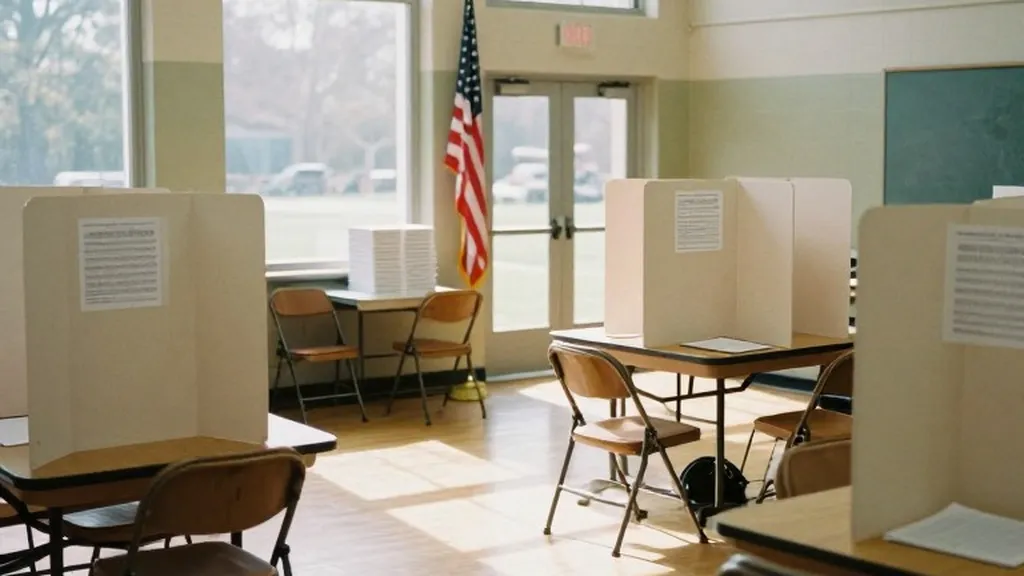
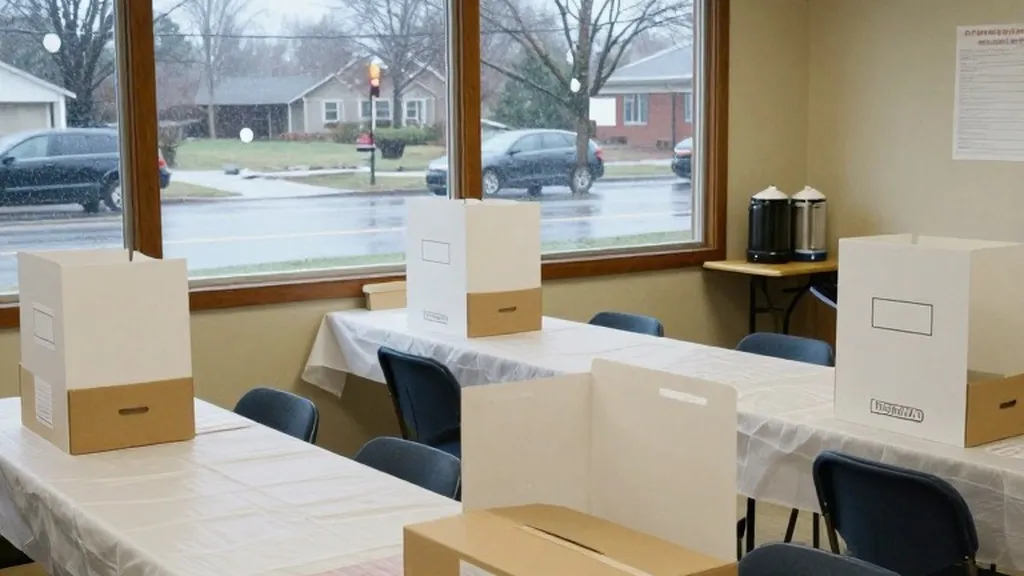
Polling places across New Hampshire began opening at 11 a.m. Tuesday, with closures set to occur no earlier than 7 p.m. Local time. Residents in Manchester, Nashua, and Concord are casting ballots in a midterm election that serves as a check on the executive branch halfway through President Donald Trump's second term. The Associated Press describes the day as a referendum on the administration's performance, particularly regarding high prices and an unpopular war with Iran. Voters in the state are deciding who will represent them in the U.S. Senate and the U.S. House for the next two years of the current presidential term. These decisions will determine the level of oversight Congress can exert on the White House and the legislative agenda for the remainder of the term.
New Hampshire voters are facing an open U.S. Senate seat following the retirement of Sen. Jeanne Shaheen. The seat is contested by Democratic Rep. Chris Pappas and former Republican Sen. John E. Sununu. The state voted for Kamala Harris by a margin of 2.8 points in 2024, making the race highly competitive. The parties on the ballot for the governor's race include the Democratic, Republican, and Libertarian parties. Incumbent Republican Gov. Kelly Ayotte is running for re-election in a state where the governor's office is a key indicator of local political sentiment. The outcome of this race will influence the state's standing in the national fight for control of governorships, a category where Republicans have held a majority since 2010.
The economic implications of the national result are central to the decision-making process for voters in the Granite State. Wall Street is closely watching the election results for signals on debt ceiling negotiations and investor concerns regarding AI spending. 25 percent of U.S. Adults approve of the president's handling of the economy, with most blaming him for high prices. This economic anxiety is a primary driver for the roughly 7 in 10 adults who say the country is heading in the wrong direction. For New Hampshire businesses and residents, the composition of Congress in the final two years of the term will determine the pace of tax policy and regulatory oversight. The state's economy, which relies heavily on tourism and manufacturing, is sensitive to these federal policy shifts.
Oversight is a major theme in the campaign messaging for both parties in New Hampshire. If Democrats win control of either chamber of Congress, investigations and potential impeachment proceedings become more likely. House Democratic Leader Hakeem Jeffries has outlined a 100-day agenda focused on the cost of living and oversight if his party takes the majority. The Associated Press notes that Republicans are bracing to lose the House while fighting to hold the Senate, with one or two seats potentially tipping the balance in either chamber. The state's delegation will be part of this national calculation, as New Hampshire's two Senate seats and House districts contribute to the total count needed for a majority. The state's voters are effectively choosing between a Congress that can actively investigate the administration or one that may be more aligned with the executive branch.
More than 57 million people had already voted as of Monday, surpassing the early vote totals of four years ago in many closely watched states. This high level of early participation suggests a strong turnout trend for the general election. In New Hampshire, the state's unique voting laws allow for same-day registration, which may contribute to higher turnout in local precincts. RNC Chairman Joe Gruters stated that everything depends on turnout and that the party has been planning for this scenario. DCCC Chair Rep. Suzan DelBene countered that the American people are angry and want change. These competing narratives are playing out in the polling places of Manchester and Nashua, where voters are making their final selections before the polls close.
The administration has continued to make claims about voting fraud, including assertions that noncitizens vote in large numbers. The Associated Press notes that the Justice Department is threatening to prosecute local election officials, a move that has raised concerns about interference and intimidation among Democrats. A federal judge temporarily barred the Trump administration from carrying out a plan to prevent noncitizen voting on Monday. This legal backdrop adds a layer of complexity to the election administration in New Hampshire, where local officials are responsible for managing the process. The state's election laws are being tested as the administration seeks to enforce its preferred standards. Voters in the state are aware of these developments as they cast their ballots, knowing that the integrity of the count is a point of contention at the national level.
Money has played a significant role in shaping the 2026 elections, which are likely to be the most expensive in history. The Associated Press analysis of AdImpact data shows that 88.1 percent of Republican general election TV ad spending went to states and districts that Trump won in 2024. This includes more than $850 million in spending in areas where he won by 10 points or more. At the candidate level, Democrats have outraised their opponents. This financial disparity reflects the strategic focus of each party on different types of races. In New Hampshire, the spending has been intense given the state's status as a key battleground for the Senate seat. The flow of money into the state has influenced the messaging and visibility of the candidates throughout the campaign.