Gaza Election Watch: Residents brace for next Israeli government
Despite a ceasefire in place since October 2025, Gazans say daily strikes and shortages continue, leaving them skeptical of political change.
By Austin Reed ·
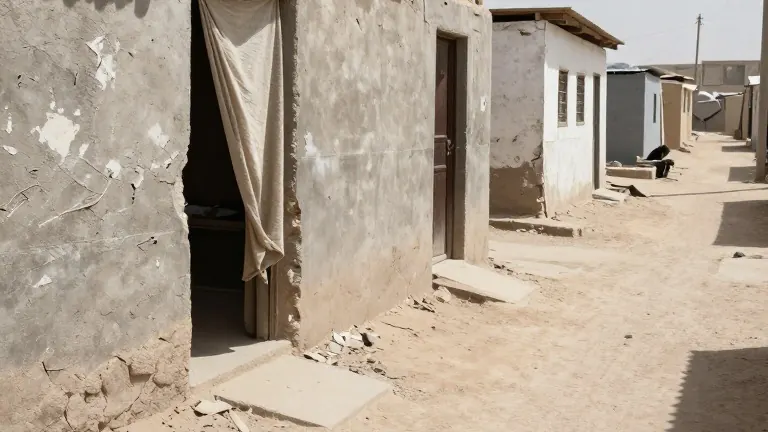
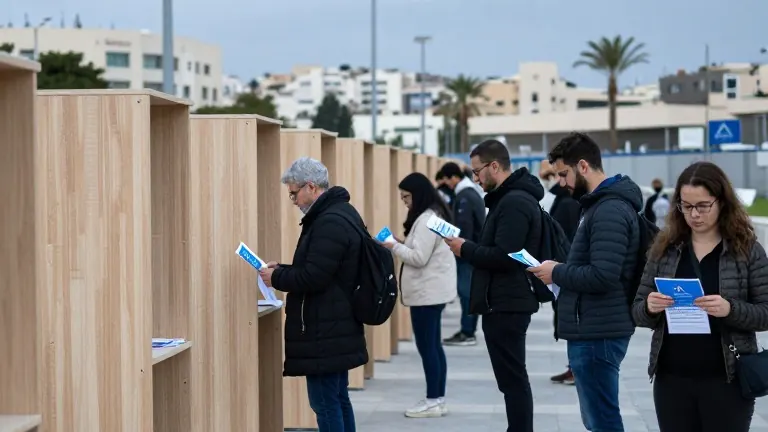
The ceasefire that has held in the Gaza Strip since October 2025 has not restored a sense of security for residents who are watching the Israeli elections scheduled for Tuesday.
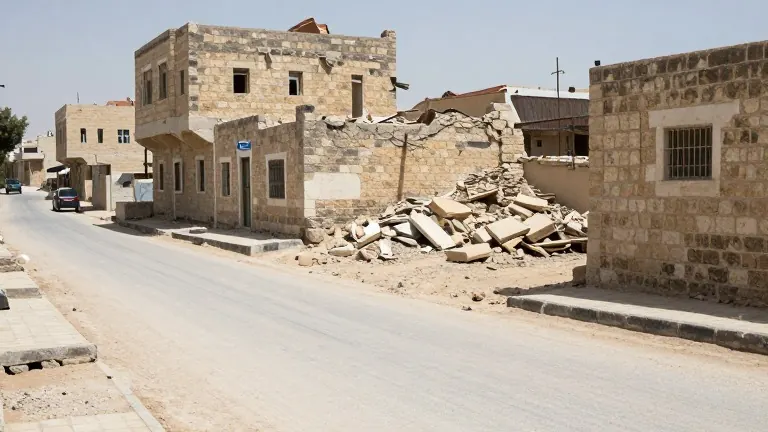
Palestinians in the territory describe a reality where near-daily air strikes persist and a strict siege continues to limit the availability of basic goods.
This ongoing strain has made the upcoming vote a source of anxiety for many families who have been displaced multiple times during the conflict.
The election campaign has been heavily influenced by the war, with Prime Minister Benjamin Netanyahu facing criticism for his security strategy before the October 7, 2023 attacks.
Members of his far-right coalition have pushed for a harder line against Gaza, including proposals to expel the population, while his main rival is Gadi Eisenkot, a former military commander.
Mohammed Eliyan, a 36-year-old father of five living in Deir el-Balah, hopes Eisenkot wins but expects little dramatic improvement regardless of the outcome.
Eliyan, who was displaced from the Jabalia refugee camp, stated, "They are still our enemy, and I don't expect things to improve dramatically."
Islam Salem, 41, believes the election result will likely worsen the situation for his three daughters and argues that the approach to Gaza remains consistent under any leadership.
He noted that Israel controls roughly 65 percent of the territory inside the designated "Yellow Line," while more than 80 percent of buildings in Gaza have been damaged.
Salem added, "We live day by day. Everything we feared has already happened."
Hanan Abu al-Maaza, 57, has been displaced more than 12 times and dreads that the next government may treat her more harshly.
She believes a Netanyahu defeat offers a better chance of returning to her home in Beit Lahiya, stating, "We have had enough of war and destruction. There is nothing left to destroy, yet the suffering continues." Manar Owaida, 23, is displaced in the Tal al-Hawa neighborhood of Gaza City and worries that Netanyahu might launch a wider regional war to ease domestic political pressure around the vote. Mousa Ali, 33, focuses on whether displaced people can return to areas beyond the Yellow Line and hopes Arab parties gain enough strength to influence the next government. Ali said, "We hope this policy will end and that a new prime minister will stop this ongoing bloodshed."
Source: Al Jazeera