Midterm Stakes: How the 2026 Vote Tests Presidential Authority
A flat unemployment rate and a new Supreme Court term provide the backdrop for a sharp contest over control of the government.
By Austin Reed ·

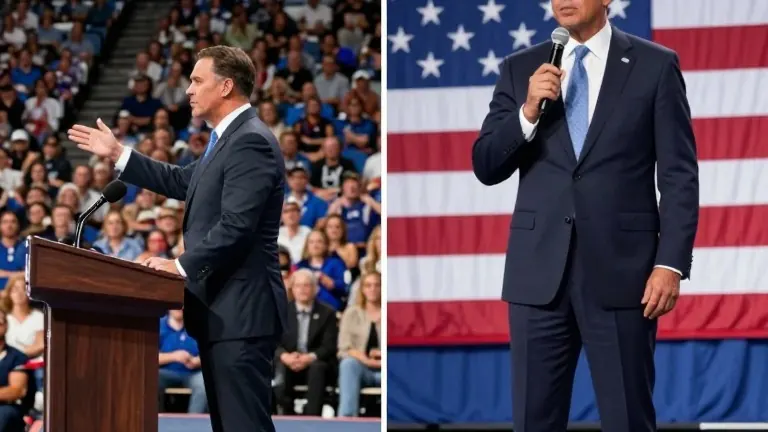
The midterm elections scheduled for this fall will serve as the primary test of President Donald Trump's current political authority. The outcome will determine whether the administration maintains its legislative footing or faces a divided government that complicates its agenda. Voters in both parties are mobilizing ahead of the November vote.
Both the Democratic and Republican parties are actively rallying their bases. Campaign organizers report high levels of engagement from registered voters in key districts. The contest is being framed as a direct referendum on the direction of the country under the current administration.
Economic indicators are influencing voter sentiment, though the data is mixed. The unemployment rate has remained flat in recent months, preventing a sharp spike in joblessness. This stability contrasts with inflationary pressures that continue to affect household budgets in several states.
The new Supreme Court term begins around the same time as the general election. Justices are set to hear cases that touch on administrative power and regulatory authority. Legal analysts suggest these rulings could shape how the executive branch operates regardless of which party controls Congress.
Public opinion polls show a divided electorate on key issues. Health care reform remains a top concern for many voters, with debates centering on cost and access. U.S. relations with Israel and a recent agreement with Russia also figure prominently in campaign rhetoric.
Local races in New Hampshire and Manchester will reflect these national trends. State representatives will face decisions on budget allocations and infrastructure projects. The results in these districts may influence broader national strategies for the incoming legislative session.
The campaign trail has seen a focus on specific policy wins and losses. Supporters of the president point to recent executive actions as evidence of effective leadership. Critics argue that the flat unemployment rate masks deeper structural issues in the labor market.
Voting laws and ballot access are also points of contention. Several states have updated their election administration protocols for the 2026 cycle. These changes aim to streamline the process but have drawn scrutiny from advocacy groups on both sides of the aisle.