Three voter groups could decide control of Congress in Tuesday's midterms
Analysts predict that rural economic strain, Latino turnout in Texas, and the behavior of young white men will determine which party holds the majority.
By Bianca Herrera ·

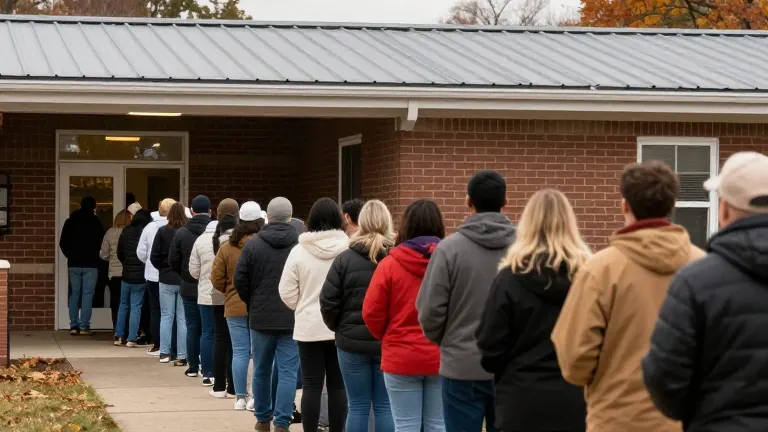
Political strategists are shifting their focus away from broad party affiliation to monitor three specific demographic groups that may determine which party controls Congress. Millions of ballots have already been cast, intensifying the debate over which segments of the electorate will drive final turnout numbers.
Lincoln Mitchell, a political analyst and professor at Columbia University, identifies rural voters as the first group under financial pressure. He notes that agricultural tariffs and rising costs for home heating and diesel are squeezing household budgets. While Mitchell does not expect a dramatic shift in party loyalty, he suggests this economic strain could lower turnout or reduce enthusiasm for President Donald Trump and the Republican Party.
The second group attracting attention is Latino voters. Mitchell describes this demographic as influential but not monolithic. He points to Texas, which hosts one of the most competitive Senate races in this cycle, as a key battleground. Although the Republican Party has made recent gains among Hispanic voters in states including Texas, Arizona, and Florida, Mitchell questions whether those advances will persist long term.
Finally, observers are tracking young white men, a group that voted heavily for Trump in 2024. Mitchell cites foreign policy and affordability as primary drivers for potential change in this cohort. He warns that if even a small fraction of these voters remain home or shift away from the GOP, the impact on Republican candidates could be severe.
Midterm elections have historically favored the party not currently occupying the White House. President Trump has urged supporters to vote as if his name were on the ballot in an attempt to counter this trend. Tuesday night will provide the final data on whether that mobilization effort succeeded or if shifting dynamics provide Democrats a path to a majority.