Mexico Enforces School Cellphone Ban Despite Parent Concerns Over Safety
The rule takes effect November 3, limiting device use in classrooms while officials push for stricter digital content laws.
By Austin Reed ·
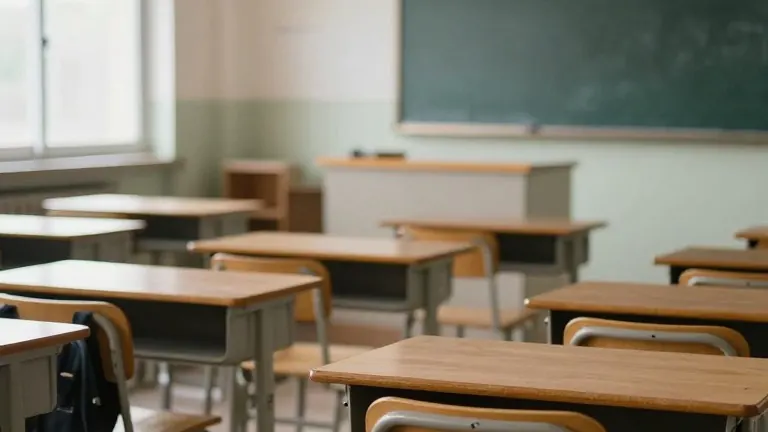
Mexican schools will prohibit cellphones in classrooms beginning Tuesday, November 3, under a new federal decree. The restriction applies to elementary and middle schools across the country. Students may still carry their devices on the way to and from school. They can only use them inside the building for educational purposes directed by teachers or for specific personal emergencies, disability, or health needs.
President Claudia Sheinbaum initiated the policy to curb excessive screen time among young people. Her administration argues that limiting digital exposure will reduce attention deficits, stress, and anxiety. The decree coincides with new regulations scheduled for this month that require digital platforms to remove posts containing hate speech, abuse, sexual violence, harassment, and cyberbullying.
Resistance to the ban is growing in regions affected by organized crime. Francisco Ortiz, the state representative of the National Union of Parents in Sinaloa, criticized the government for ignoring parental authority. He noted that many students spend more time at home than at school due to safety concerns, making digital communication vital. Ortiz stated that the new rules go against the rights of parents to maintain contact with their children.
Civil society data underscores the stakes. The Network for Children’s Rights in Mexico reported that one in ten Mexicans between the ages of zero and 17 were victims of crimes involving organized crime in the first half of 2026. Benigno Gómez, a father from Reynosa in Tamaulipas, described the ban as difficult to implement. He expressed concern that students would lack a way to deal with potential risk situations during the school day.
The debate intensified after a shooting in Escuinapa, Sinaloa, on October 22. Gunmen on a motorcycle opened fire on a bus carrying more than a dozen high school students. A passenger video showed children hiding under seats while one teenager asked another if they had cellphone credit. Only the bus driver was injured, sustaining cuts from shattered glass. The incident highlighted the reliance parents have on phones to confirm their children’s safety.
One resident of Escuinapa, who asked to remain anonymous, called her teenage daughter immediately after the attack. She said hearing her daughter’s voice calmed her down, even though she interrupted class. The mother believes the safety of children must take precedence over the new restrictions. She doubts many parents will comply if violence continues to reach schools.
Supporters of the measure argue it aligns Mexico with a global trend. Israel Sánchez, president of the National Union of Parents, called the decision a step forward after years of advocacy by civil organizations. He urged authorities to run awareness campaigns and train teachers to ensure the rule is applied effectively. UNESCO data indicates that 114 countries have already implemented similar bans. France extended its restrictions to secondary schools in August, while Ecuador, Brazil, Chile, Bolivia, and Costa Rica have also adopted controls in Latin America.
Dr. Lucía Magis-Weinberg, a neurodevelopmental researcher at the University of Washington, described the technology as a double-edged sword. She acknowledged the benefits of socialization and information access but warned that platforms are designed to maximize attention. She stated that regulations are necessary to avoid cognitive damage and digital conflicts in minors.