NH Polls Close: Results In for Senate, Governor, and Local Races
Voters in Merrimack County have cast their ballots for the U.S. Senate, governor, and local offices, with state and national outcomes now shaping the political landscape.
By Bianca Herrera ·
Voters in Manchester, Nashua, and Concord concluded their participation in the 2026 general election on Tuesday, November 3. The polls in these municipalities operated within the state's mandated window, requiring them to open by 11 a.m. and close no earlier than 7 p.m. This timeline ensured that residents in the county's three primary towns had a full day to cast their ballots for the various federal, state, and local offices on the ballot.
The election featured significant contests at the state level, most notably the race for the U.S. Senate. This was an open seat with no incumbent running, drawing candidates from both the Democratic and Republican parties. The outcome of this race is a focal point for the state's political future, as the new senator will represent New Hampshire in the upper chamber of Congress. The competitive nature of this open seat was a central theme in the local discourse leading up to the voting day.
Also on the ballot was the race for governor, in which incumbent Republican Kelly Ayotte sought reelection. The field included candidates from the Democratic and Libertarian parties, offering voters a range of choices for the state's top executive office. The governor's office holds substantial power over state budgeting and policy, making this a high-stakes contest for the residents of Manchester, Nashua, and Concord who rely on state services and infrastructure.
Every U.S. House seat in the state was also up for election, ensuring that all congressional representatives were subject to voter judgment. In addition to federal offices, the ballot included state and local offices that vary by county. These local races determine the composition of the state legislature and municipal governments, which directly impact daily life for residents through zoning, public safety, and education policies.
The results of these elections have been compiled and reported by Ballotpedia, which provides data on the federal, state, and local offices contested on November 3, 2026. The organization's records indicate that the midterm elections took place as scheduled, with results becoming available in the hours following the close of polls. This data allows for a detailed analysis of voting patterns across the county and the state as a whole.
New Hampshire's 1st Congressional District election was a particularly noteworthy contest, as highlighted in state election records. The district encompasses parts of the county's towns, and the outcome of this race has implications for the balance of power in the U.S. House. The primary election for this seat, held on September 8, 2026, set the stage for the general election, with the final result reflecting the preferences of the district's voters on Election Day.
Statewide ballot measures were also part of the November 3 election, allowing voters to weigh in on specific policy questions. These measures, along with local ballot measures, provided an additional avenue for direct democracy. The inclusion of these items on the ballot reflects the state's commitment to allowing citizens to influence legislation beyond the selection of elected officials. The results of these measures will guide policy decisions in the coming months.
On the national stage, the election results have significant implications for the balance of power in Congress. The outcomes in New Hampshire, including the Senate and House races, contribute to the broader picture of the midterm elections. The state's participation in these contests is part of a nationwide effort to determine the future direction of federal governance and the checks and balances between the executive and legislative branches.
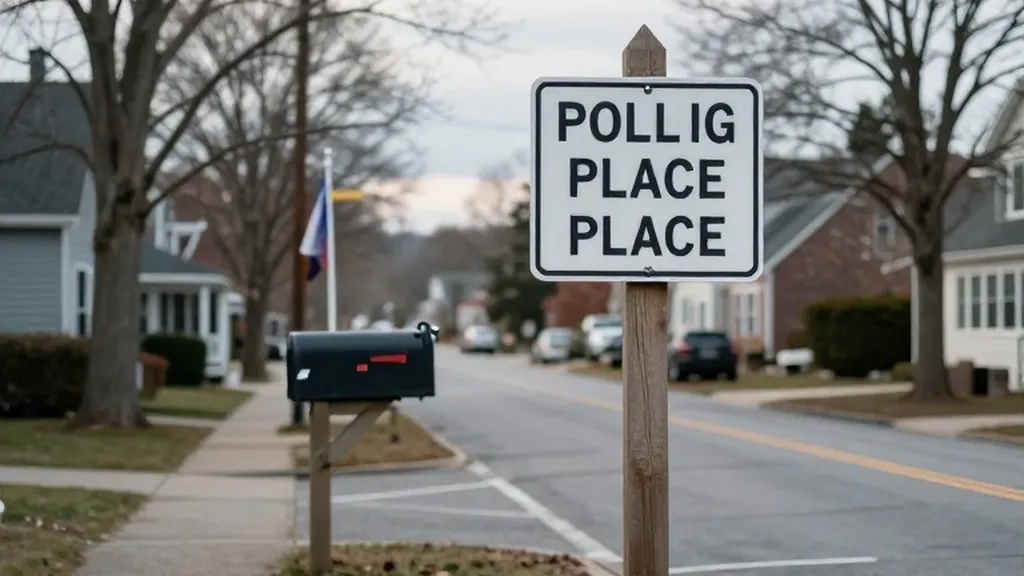
The election process in New Hampshire is characterized by its reliance on local administration, with each municipality responsible for managing its own polling places. This decentralized approach ensures that voting is accessible to residents in both urban areas like Manchester and Nashua and more rural communities. The state's election laws, which specify the opening and closing times for polls, are designed to maximize voter access and ensure a fair and orderly process.
The results of the 2026 election in New Hampshire will be studied by political analysts and local leaders as they prepare for the next legislative session. The new senators, representatives, and governor will begin their terms with the mandate of the voters in the state. For residents of Merrimack County, the election marks a new chapter in their civic engagement, with the outcomes of these races shaping the policies and leadership that will affect their communities in the years to come.
Ballotpedia, the digital encyclopedia of American politics, has documented the details of the 2026 elections in New Hampshire, providing a comprehensive overview of the offices contested and the results. The organization's data serves as a reliable resource for understanding the political landscape of the state. The election of November 3, 2026, stands as a pivotal moment in the state's recent history, with the results reflecting the will of the people in Manchester, Nashua, and Concord.