Ayotte holds New Hampshire governor's race amid national Democratic sweep
Incumbent Republican Governor Kelly Ayotte secured her seat in a statewide contest that remained close as Democrats captured a majority of governorships nationwide.
By Austin Reed ·
Residents of Manchester, Nashua, and Concord cast their votes on Tuesday, November 3, 2026, in a general election that defined the state's political future. The day brought a decisive shift in power at the federal level, with Democrats winning majorities in both chambers of Congress. In New Hampshire, voters decided the fate of the governor's mansion, an open U.S. Senate seat, and every U.S. House district in the state. The results in these local races set the stage for a new legislative term that will see the state government operate under a changed national balance of power.
Governor Kelly Ayotte, the incumbent Republican, successfully retained her office in a race that featured candidates from the Democratic and Libertarian parties as well. Her victory is significant because it occurred in a state where voters typically lean toward the center in national elections. The governor's race in New Hampshire was one of the key state contests to watch, given the high national profile of the incumbent and the competitive nature of the state's electorate. Ayotte's win places her in a position to lead the state government with a renewed mandate from the voters of Manchester and the surrounding communities.
The national picture showed a historic wave of support for Democratic candidates. Democrats gained at least 43 seats in the U.S. House of Representatives, including 42 seats previously held by Republicans and one held by an independent. This gain gave them a majority of at least 250 to 157 in the lower chamber. In the U.S. Senate, Democrats picked up seven seats, all of which were previously held by Republicans, securing a majority of 54 to 44. This net loss of seven Senate seats for Republicans marked one of the largest swings against a president's party in recent decades, qualifying the election as a wave event according to historical benchmarks.
Despite the national Democratic surge, Republicans held firm in several state executive races. Nationwide, Democrats won a majority of governorships for the first time since before the 2010 elections. However, in New Hampshire, the Republican incumbent remained in power. This outcome reflects the state's tendency to vote with the national trend in Senate races while often maintaining a different balance in the governor's mansion. The result in Manchester and other towns indicates that local issues and candidate specificities played a crucial role in keeping the governor's office in Republican hands.
The U.S. Senate seat in New Hampshire was an open contest with no incumbent running. Both Democratic and Republican candidates were on the ballot for this high-profile race. The outcome of this seat will influence the state's representation in the federal government during a period of significant legislative change. The fact that the seat was open added an element of uncertainty to the state's federal delegation, as voters had to choose between new faces without the anchor of an incumbent's name recognition. The result of this race contributes to the new 54 to 44 Democratic majority in the Senate.
Every U.S. House seat in New Hampshire was also on the ballot, meaning the entire congressional delegation was up for election. This total turnover of the state's House delegation aligns with the national trend of significant seat changes in the lower chamber. The results in these districts will determine how New Hampshire's interests are represented in the new Democratic-controlled House. The shift in national control means that the state's representatives will now work within a different institutional framework, potentially affecting the passage of legislation related to local infrastructure and economic development in towns like Concord and Nashua.
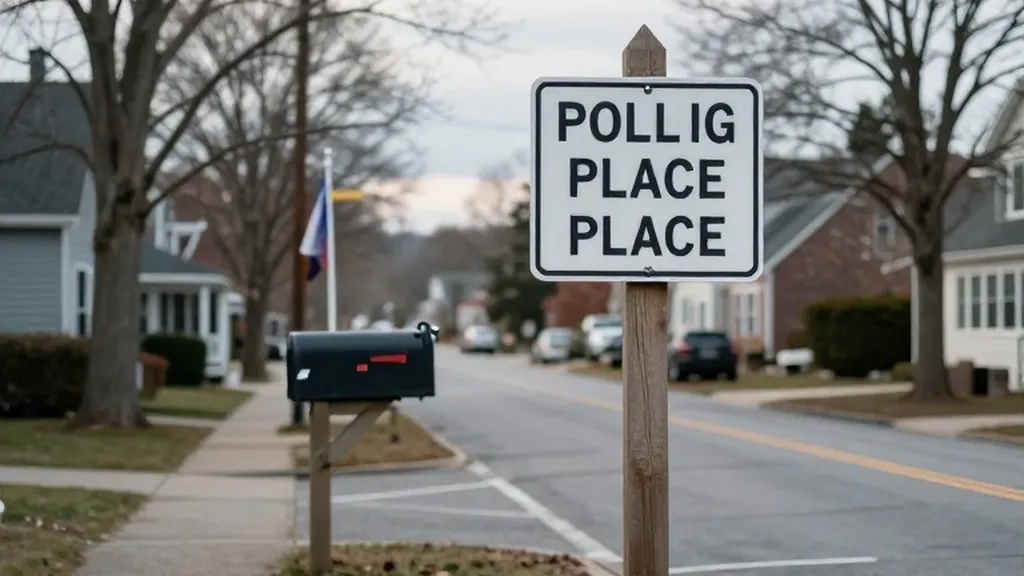
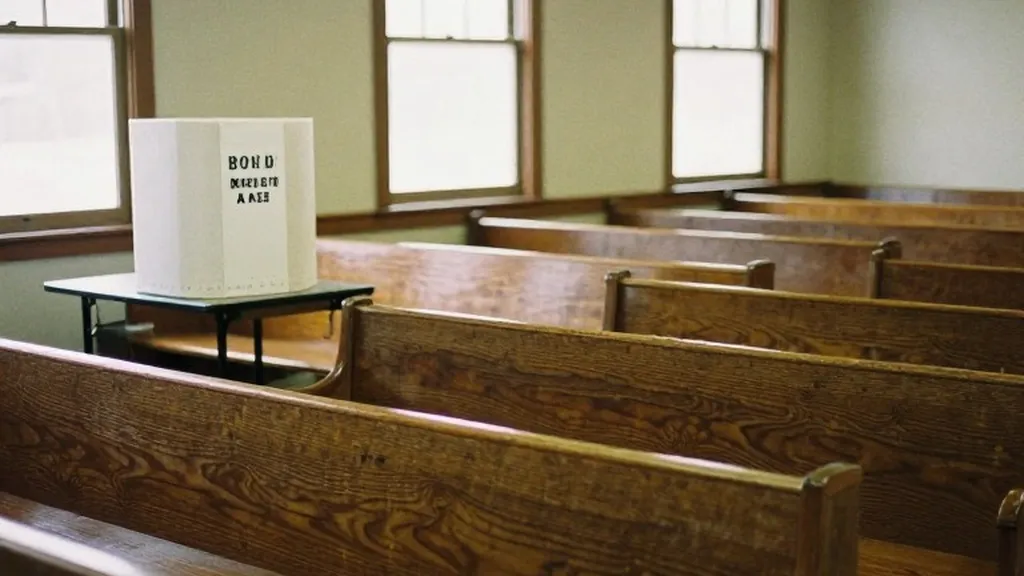
Local officials in Manchester and other municipalities managed the election process, with polls opening by 11 a.m. and remaining open until at least 7 p.m. as required by state law. The administration of the vote was a collaborative effort between town clerks and state election officials. The smooth operation of the polls ensured that citizens across the state could participate in this critical decision-making process. The variety of offices on the ballot, including state legislative seats and municipal government positions, meant that voters in many communities had multiple choices to make on a single day.
The election results also included contests for other state executive offices and state legislative chambers. Democrats won a plurality of state government trifectas, which consist of the governor's office and both legislative chambers. In New Hampshire, the retention of the governor's office by a Republican while the state legislature may have seen shifts creates a complex dynamic for the coming term. This divided or aligned government structure will influence how bills are introduced and passed, requiring negotiation between the executive and legislative branches in the state capital.
Ballot measures and local elections were also part of the November 3 contest. These measures varied by county and town, allowing for localized decision-making on specific policy issues. The inclusion of these items on the ballot reflects the direct democracy principles that are central to New Hampshire's political culture. Voters in Manchester and other towns had the opportunity to weigh in on these local priorities, adding another layer of complexity to the overall election results. The outcome of these local measures will have immediate practical effects on community services and local governance.
As the results are finalized, the political landscape in New Hampshire is set for a new chapter. Governor Ayotte will continue to lead the state with the support of her party's base, while the federal government transitions to a new leadership structure. The interplay between the state's Republican executive and the Democratic federal majority will be a key factor in shaping policy in the coming years. For residents of Manchester, Nashua, and Concord, the election of Tuesday represents a definitive choice that will guide the state's direction for the next several years.