New Hampshire governor race ends with Democratic gain
The state's Republican trifecta has ended as Democrats seize control of both legislative chambers, shifting the balance of power in the Granite State.
By Austin Reed ·
Voters in New Hampshire concluded a decisive election cycle on Tuesday, November 3, 2026, that ended the state's Republican trifecta and shifted legislative control to the Democratic Party. The results mark a significant shift in state government, with Democrats gaining control of both the New Hampshire House and the New Hampshire Senate. This outcome, projected by State Navigate and confirmed by Ballotpedia, means the state will now operate under a divided government rather than a unified Republican administration. The changes in Concord and across the state reflect a broader national trend where voters rejected the policies of the incumbent party in key races.
The race for governor was a central focus for residents in Manchester, Nashua, and Concord. Incumbent Republican Governor Kelly Ayotte was on the ballot, seeking to retain her seat against Democratic and Libertarian challengers. While the specific winner of the gubernatorial race is part of a statewide shift, the broader context of the election results indicates that Republicans have lost ground in New Hampshire. The state had previously been a stronghold for Republican leadership, but the 2026 results show a realignment that impacts how state laws and budgets will be enacted in the coming years.
Prior to this election, New Hampshire was one of two states where Republicans were defending a governorship in a state that Kamala Harris won in the 2024 presidential election. The other was Vermont. This dynamic made the New Hampshire race a critical test for the Republican Party in the Northeast. The loss of the legislative majority in both chambers means that Governor Ayotte, if she retains her seat, or her successor, will face a legislature that is likely to be more critical of the executive branch. This divided government structure often leads to more contentious negotiations over state budgets and policy priorities.
In the state legislature, Democrats won control of the New Hampshire House, a result that was also projected by State Navigate. Simultaneously, Democrats won control of the New Hampshire Senate. These victories were part of a wave of Democratic gains across the state, contributing to the end of the Republican trifecta. The trifecta, where one party controls the governorship and both legislative chambers, had allowed for streamlined legislation in previous years. Its end suggests a more complex political landscape for New Hampshire, where bipartisan cooperation or aggressive party-line voting will determine the state's direction.
The election also included races for the U.S. Senate and U.S. House in New Hampshire. The state's Senate seat was an open contest with no incumbent running, featuring candidates from the Democratic and Republican parties. Every U.S. House seat in the state was also on the ballot, along with various state and local offices. The results of these federal races contribute to a national picture where Democrats have taken control of both chambers of Congress. This federal shift may influence how New Hampshire's representatives and senator interact with the executive branch in Washington.
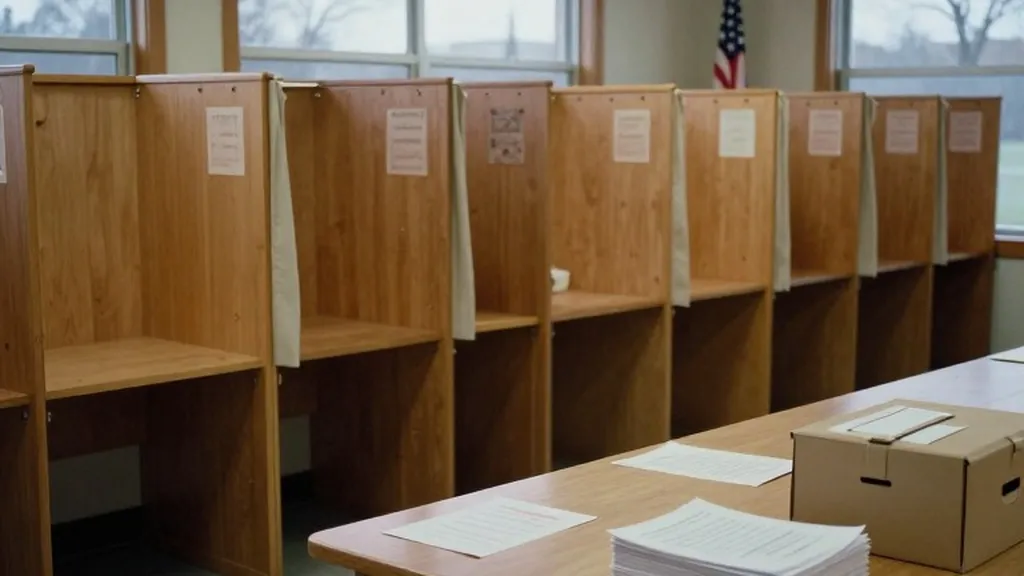
Locally, residents in Manchester, Nashua, and Concord participated in elections for municipal government and local ballot measures. The state had specific rules for polling hours, with polls required to open by 11 a.m. and not close before 7 p.m., though exact times varied by municipality. Voters in these cities had access to polling place information through state resources. The high level of participation in these local races underscores the importance of grassroots politics in shaping the overall outcome of the statewide contests.
Ballot measures were also part of the election in New Hampshire, including a constitutional amendment to eliminate the office of the register of probate. This measure sought to change the administrative organization of the state's legal system. While the specific vote counts for this measure are detailed in state records, its inclusion on the ballot reflects the ongoing efforts to streamline state government operations. The outcome of such measures can have long-term effects on how state agencies function and serve residents in communities like Manchester and Concord.
National context played a significant role in the New Hampshire results. Democrats won a net gain of seven U.S. Senate seats and a net gain of 33 U.S. House seats nationwide. This sweeping victory gave Democrats control of both the U.S. Senate and the U.S. House of Representatives. In the governorial races across the country, Democrats gained a net of five governorships, including in New Hampshire where the partisan control of the state government shifted. The alignment of state and federal results suggests a strong mandate for the Democratic Party to implement its policy agenda in the coming two years.
The end of the Republican trifecta in New Hampshire is part of a broader pattern of state government changes. In total, 20 states now have Democratic trifectas, up from 14 before the election. This increase in Democratic trifectas provides the party with greater opportunities to enact legislative changes at the state level. For New Hampshire, this means that the state's laws and regulations may see more rapid changes as the new legislative leadership takes office. The divided government structure will require the governor to work closely with the new legislative leaders to pass any significant initiatives.
Looking ahead, the new state government will face several key challenges. The divided legislature may slow down the legislative process, but it also offers opportunities for compromise. The incoming Democratic leaders in the House and Senate will likely prioritize issues such as healthcare, education, and infrastructure. The governor, whether incumbent or new, will need to navigate these priorities while managing the state's budget. The results of the 2026 election provide a clear direction for New Hampshire, with a focus on bipartisanship and a check on executive power as the state moves into its next phase of governance.