NH infrastructure earns C in new report
The American Society of Civil Engineers graded the state's systems, noting that bridges and water utilities are aging past their intended lifespans.
By Austin Reed ·
The American Society of Civil Engineers assigned a C grade to New Hampshire's infrastructure in a report released this week. This rating marks an improvement from the C-minus received in the organization's 2017 evaluation. While the systems are currently functioning, the assessment indicates they are in fair rather than good condition.
Local civil engineer Logan Johnson, who contributed to the report, compared the grade to a student's performance. "Would you be okay if your kid came home with a C? Probably not," she said.
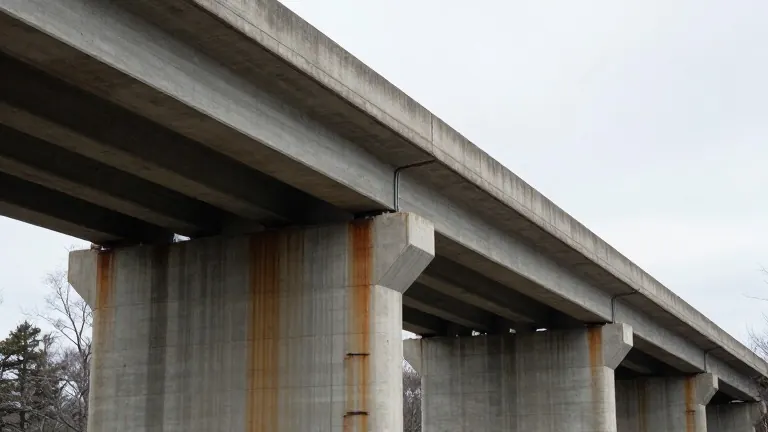
Bridges received a C-minus in the new assessment. Most structures in the state are designed for a 50-year lifespan. The average age of state bridges is 65 years, while municipal bridges average 56 years. Recent structural issues have been identified on several of these aging spans.
Drinking water systems also earned a C-minus. These public utilities are exceeding their intended design life and face challenges in treating contaminants, including perfluoroalkyl and polyfluoroalkyl substances, commonly known as PFAS. The solid waste system is the only category that declined in rating since 2017. Johnson noted that state landfills have capacity for only ten more years of in-state disposal. "Adding to the problem is that we're not even close to meeting our recycling goals," Johnson said. "And our out-of-state waste continues to fill up our already limited landfill capacity."
Wastewater infrastructure received the lowest grade of D-plus. Much of this network was built in the 1970s and requires replacement. The report states that older systems were not designed for projected climate change effects, such as increased precipitation and flooding. Aviation infrastructure received the highest rating of B-minus. Passenger travel has returned to pre-pandemic levels, and flights at Manchester-Boston Regional Airport have met on-time performance standards above the national average. These results followed $50 million in federal infrastructure aid to state airports.
The report identifies a shortage of technical workers as a barrier to completing necessary structural changes. It recommends that the state dedicate consistent funds to maintenance, as the sector has historically relied on intermittent federal dollars. Johnson warned that the consequences of failing infrastructure will impact daily life. "I'm talking about a bridge that fails and now the bus can't go that way, or you can't get to work," she said. "They need to know that their water treatment systems are doing what they need to be doing. And if their water is contaminated, now they have to pay."
More News · Manchester news · Report a business · Got a Story?