Fuel prices outpace mortgage relief in household budget data
Stats NZ reports a 3% rise in living costs for the year ended September, as 19% higher petrol prices partially offset 10% lower interest payments.
By Bianca Herrera ·
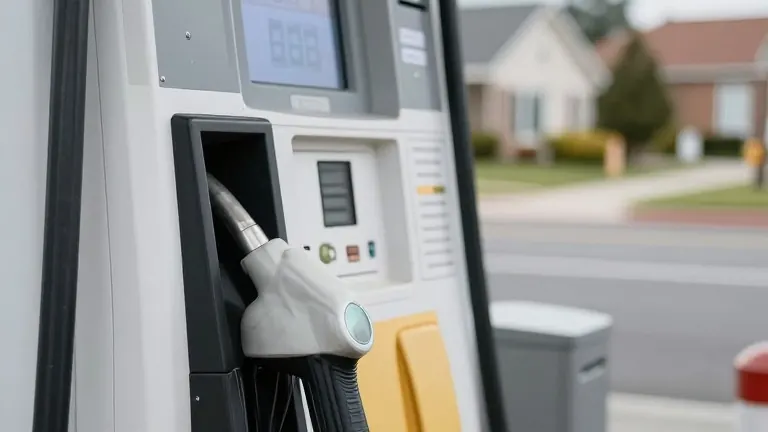
Petrol prices are rising faster than mortgage rates are falling for New Zealand households. This dynamic drove the annual cost of living increase to 3% for the year ended September, a slight decline from the 3.2% rate recorded in the June year.
The data from Stats NZ attributes the primary pressure on budgets to fuel. Petrol costs climbed 19% over the 12-month period. This single category accounted for approximately one-quarter of the total increase in living costs for the average household.
Mortgage interest provided a counterbalance. Interest payments for the average household dropped by roughly 10% during the same timeframe. In contrast, the cost of building a new home rose by 3.2%, indicating that while service costs are easing, asset construction remains expensive.
Other essential expenses also contributed to the upward trend. Electricity prices increased by 9.3%, while local body rates rose by 6.2%. These figures differ from the consumer price index, which recorded a 3.7% rise for the September quarter. The CPI calculation excludes interest rates, a key distinction in the household living cost measure.
Nicola Growden, a prices spokesperson for Stats NZ, identified higher petrol prices as the main contributor to the cost increase across all household groups. She noted that local authority rates were particularly heavy for retirees, accounting for about 13% of the living cost rise for superannuitants.
Superannuitants faced the highest annual cost increase at 4%. Their financial profile, often characterized by mortgage-free housing, exposes them to higher local rates while benefiting from lower interest payments. Beneficiaries saw a 3% rise, and Māori households experienced a 3.1% increase.
Income levels also dictated the rate of increase. Low-earning households saw their costs rise by 3.4%, while high-income households faced a 2.7% increase. Spending patterns showed a similar split, with high-spending groups affected by higher international air fares.
The data confirms that while mortgage relief is real, it is not enough to neutralize the impact of fuel and utility hikes. The average household is paying more for energy and transport, even as debt servicing costs decline.
More Business · Bad Service · Report a business · Got a Story?