
FDA approves low-cost generic HIV prevention
The new version of lenacapavir will cost $40 per patient annually and is set for distribution in 120 countries.
By Austin Reed ·
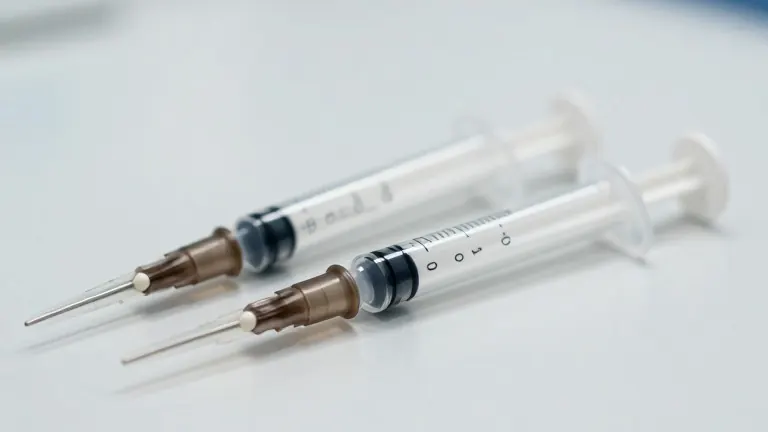
The U.S. Food and Drug Administration approved a generic version of lenacapavir this week, a biannual injectable designed to prevent HIV infection. The approval clears a major barrier to accessing the drug in lower-income markets, where the original price made widespread adoption difficult.
Dr. Reddy’s Laboratories, an Indian pharmaceutical company, announced the authorization. The firm manufactures the generic formulation in partnership with Unitaid. Deepak Sapra, chief executive of the company’s pharmaceutical services division, stated in a release that the development required robust scientific capabilities to produce a complex, long-acting injectable at an affordable price.
Under a pricing agreement signed by Dr. Reddy’s, Unitaid, Wits RHI, and CHAI, the treatment will cost $40 per patient per year. The regimen consists of two injections annually. This price point is intended to facilitate access in approximately 120 countries.
The World Health Organization recommends lenacapavir for HIV prevention. The drug reduces the risk of transmission by 99.9 percent. Unlike daily oral pills, this long-acting therapy is administered only twice a year, offering a distinct alternative to shorter-duration options.
Gilead developed the original lenacapavir and received FDA approval in June 2025. In the United States, the annual cost before insurance discounts is approximately $28,000. At the end of 2024, Gilead granted voluntary, royalty-free licenses to six generic manufacturers to produce the drug for use in about 120 nations.
Availability of the generic version will vary by country. The timeline depends on local regulatory authorities and specific licensing agreements with Gilead. In some licensed markets, distribution could begin within weeks of regulatory approval. In others, widespread supply is expected by 2027.