Cost of Living and Immigration Drive Voter Sentiment in Key Midterm Battlegrounds
Reports from six states indicate that economic pressures and border policy are primary factors for undecided voters as they decide their ballots.
By Bianca Herrera ·
Economic anxiety and immigration policy have emerged as the dominant factors influencing voter decisions in critical midterm battlegrounds.
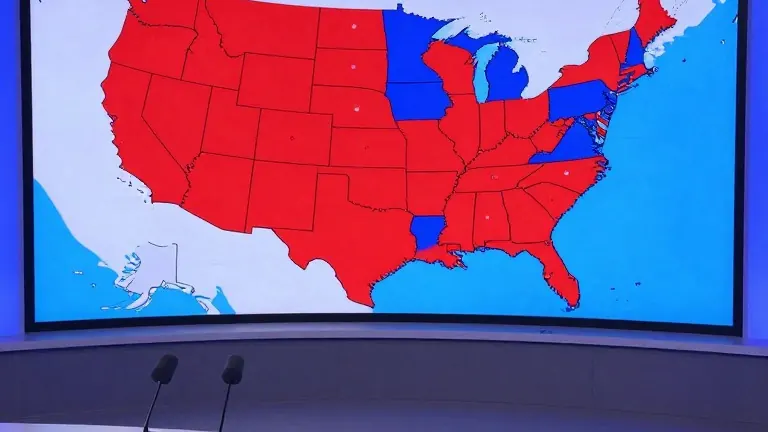
With Election Day arriving, the intense campaign period has concluded, leaving candidates in tight Senate and House races with razor-thin projected margins. Throughout October, reporters traveled to six pivotal states to assess the mood of the electorate. These visits covered Maine, Texas, North Carolina, Georgia, Ohio, and Michigan. The goal was to capture the specific concerns of voters across the political spectrum who are weighing their choices for the final day of voting.
In Maine, a pattern of dissatisfaction among male voters became apparent. Although President Donald Trump won the 2024 election largely due to support from men across the nation, local men expressed a desire for change in the state's Senate race. Leila Fadel noted a specific case in the former mill town of Lewiston. There, an Angolan mother and daughter run a daycare while keeping their curtains drawn for months to avoid attention from Immigration and Customs Enforcement. Fadel observed that many residents in the state are motivated to vote against the Republican incumbent rather than simply for the Democratic nominee.
Economic pressures are also reshaping loyalties in Texas. The rising price of beef has impacted the quality of life for residents, business owners, and farmers. A Martínez spoke with Marlene Escucha in San Antonio, a lifelong Republican who is now conflicted by the party's performance. Escucha struggled to reconcile her conservative values with current events, a decision complicated by her work schedule that limits her time to discuss politics with her husband.
In North Carolina, rural business owners are feeling the strain of inflation. Ryan Dunlap, a hardware store owner in Stokes County, belongs to the Trump coalition but faces rising prices that challenge his conservative economic views. He is weighing these conflicts as he prepares to vote. Meanwhile, in Marietta, Georgia, a voter expressed a view that Americans struggle with delayed gratification. She believes long-term outcomes will improve, acknowledging that current conditions are difficult for many.
In Ohio, the president's claims regarding Haitians in Springfield generated a strong reaction. Despite these accusations being debunked, Trump doubled down on the argument. This move appears to have energized some residents, who now feel a heightened motivation to vote as a message to the administration. In Michigan, voters expressed frustration with the political system, particularly regarding the effects of tariffs on local businesses and daily life.
The Senate race in Michigan has drawn criticism from various demographic groups. Many Black voters expressed dissatisfaction with how the Democratic Party has treated them. Some Jewish voters voiced skepticism about the nominee, while others criticized the campaign's tone for leaning into bigoted tropes. These sentiments suggest a complex voter base that is engaged but divided on the conduct of the campaign.
As the votes are counted, the insights from these six states provide a detailed picture of the factors driving turnout. The combination of economic stress and policy disagreements on immigration and trade will determine the final margin in these competitive districts.
The results from these states are expected to be among the last to be called due to the close nature of the contests. Local election officials will report the official counts after the polls close, providing the definitive outcome for the House and Senate majorities.