Asian Markets React to Midterm Results Ahead of Trump Trip
Investors in Japan and Korea adjust strategies while Australia’s Treasurer links inflation to U.S. and Iranian policy shifts.
By Austin Reed ·
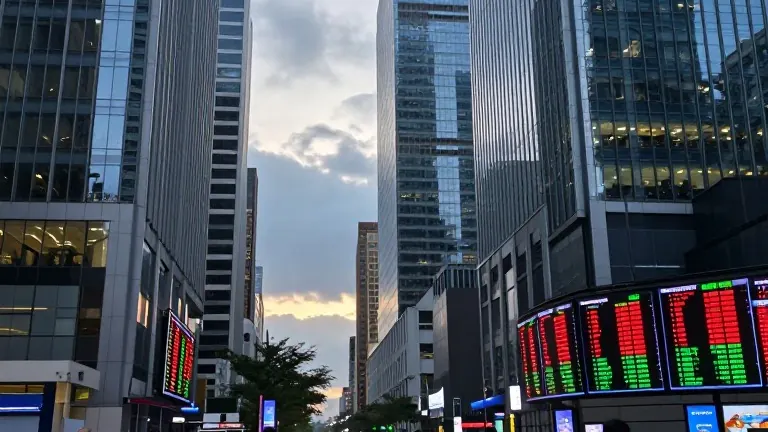
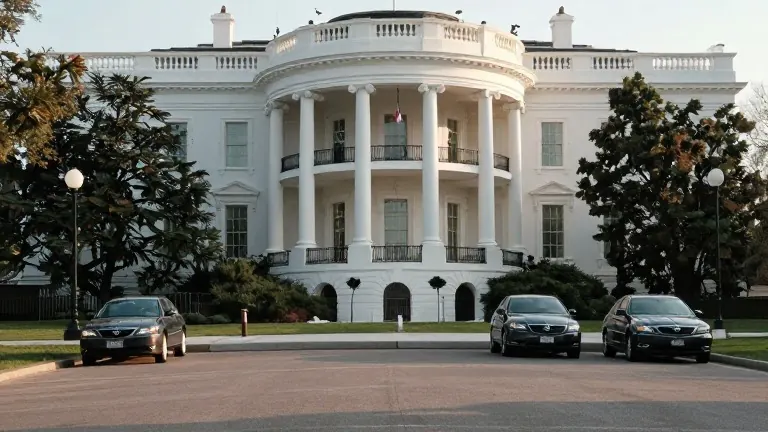
Asian financial markets and government officials are recalibrating their strategies following the recent midterm election results in the United States. The shift in congressional control has triggered immediate concerns regarding regulatory changes and trade policy, creating a complex environment for regional economies just before President Donald Trump departs for a scheduled tour of the Asia Pacific region.
In Japan, technology stocks declined on the expectation that a Democratic-controlled Congress may impose stricter regulations on artificial intelligence firms. This potential regulatory burden could complicate existing investment plans for major Japanese corporations. Meanwhile, South Korea faces a mixed outlook. The JoongAng Daily noted that the new legislative balance could intensify scrutiny of Korean investments and nuclear cooperation agreements. Conversely, the change offers renewed hope for companies operating in the solar and battery sectors.
Australia’s economic focus remains heavily tied to the ongoing conflict in Iran and its subsequent impact on energy prices. The country's Treasurer stated to the Australian Broadcasting Corporation that Australians are the cost-of-living casualties of decisions taken in Washington and Tehran. An analysis broadcast on the same network asked what a weakened and famously unpredictable president would do next, reflecting the uncertainty felt across the region.
Singapore’s Straits Times described the current situation in a headline, stating that Asia faces a more constrained but no less unpredictable Trump. While detailed policy impacts remain difficult to predict at this stage, market participants are already positioning themselves against potential shifts in trade and technology rules.
President Trump is set to begin his next major international trip in less than two weeks. He will first travel to the Philippines one week from Monday. Following that stop, he will proceed to China to attend the APEC Economic Leaders' Meeting.