Asian chip stocks fall as Nasdaq drops 5.5% into correction
Selling pressure spread from Wall Street to Tokyo, Seoul, and Taipei as investors reassessed the return on massive AI infrastructure spending.
By Austin Reed ·
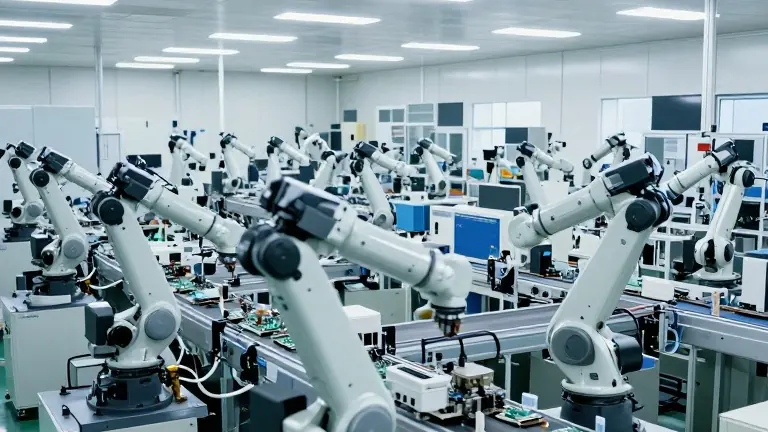
Asian technology equities posted steep losses on Friday, November 6, after the Nasdaq Composite fell 5.5% in the prior U.S. session. The index closed more than 10% below its recent high, officially entering correction territory. This drop triggered a wave of selling across semiconductor and electronics sectors in the region.
In South Korea, the decline was broad and severe. SK Hynix shares dropped by more than 8%, while Samsung Electronics lost 7%. The selling extended to other major manufacturers, with LG Innotek falling 10% and LG Display declining 7.7%.
Japanese markets saw similar pressure on semiconductor suppliers. Advantest, a maker of chip-testing equipment, plunged 12.2%. Tokyo Electron shares fell 7.3%, and Renesas Electronics declined 7.5%. Memory chipmaker Kioxia Holdings lost nearly 10%. SoftBank Group, a technology investment firm, dropped 11.6%.
Taiwan’s markets also retreated. TSMC, the world’s largest contract chipmaker, slid 9.6%. Electronics manufacturers followed suit, with Hon Hai Precision Industry, also known as Foxconn, falling 9.4%. Foxconn Technology dropped 9.1%.
The selloff followed a sharp drop in U.S. semiconductor stocks. The Philadelphia Semiconductor Index fell 12.2% on Thursday. Investors are questioning the sustainability of artificial intelligence spending and the financial returns from large data center investments. Political developments have added to the uncertainty.
Investors are concerned that a sweeping Democratic victory in the U.S. midterm elections could lead to tighter restrictions on data-center development. Limits on construction could slow demand for AI chips and supporting infrastructure. Timothy Moe, Goldman Sachs' chief Asia Pacific equity strategist, said on CNBC's "Squawk Box Asia" that investors are unwinding positions and using stop-loss selling, which amplified the decline in Asian equities.
Moe noted that potential political opposition to U.S. data-center construction could affect demand and profits for Asian hardware suppliers. He described the market reaction as investors reassessing the pace and scale of the U.S. buildout. "The market's tendency is always to shoot first and ask questions later," he said.
More Business · National news · Bad Service · Report a business · Got a Story?